
No products in the cart.
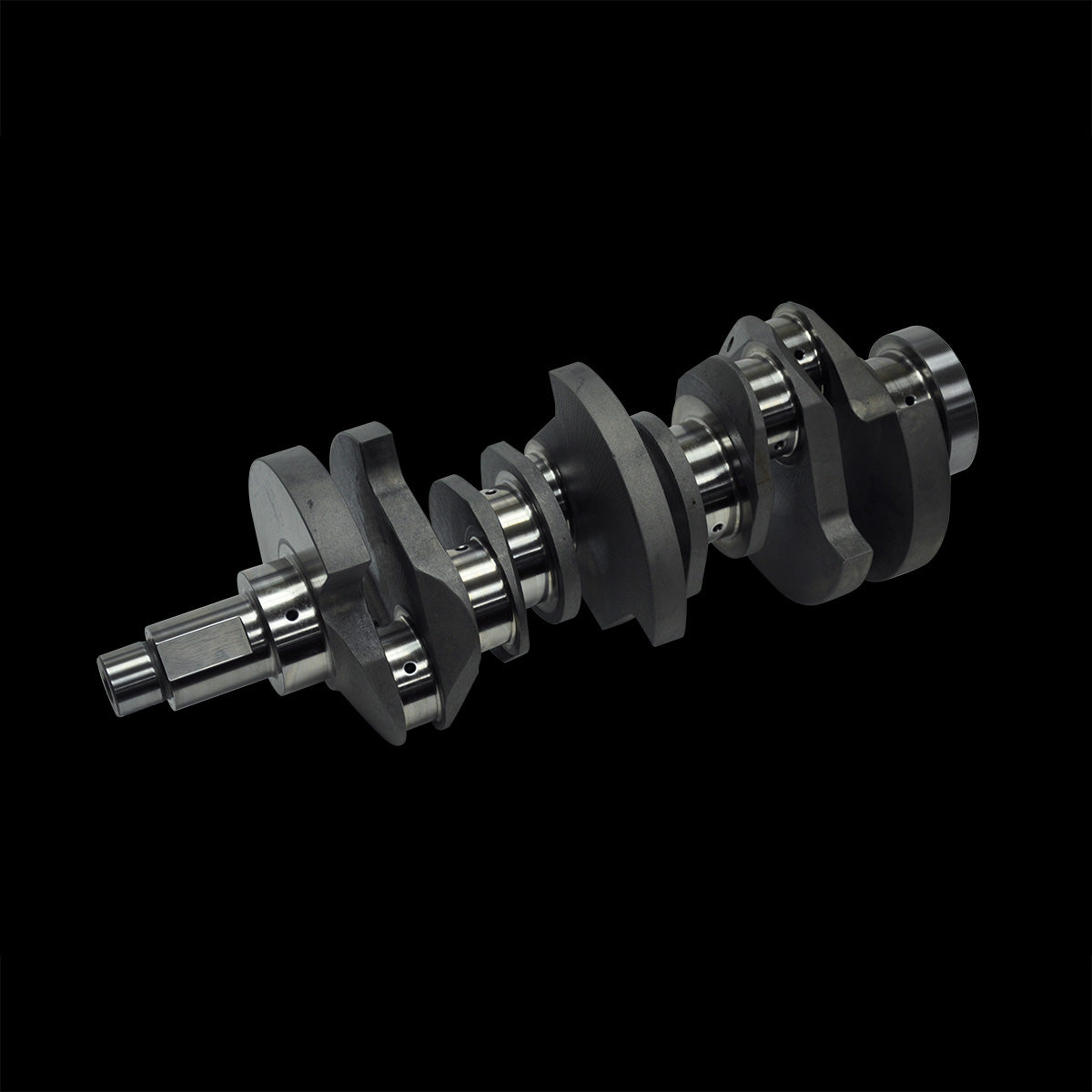
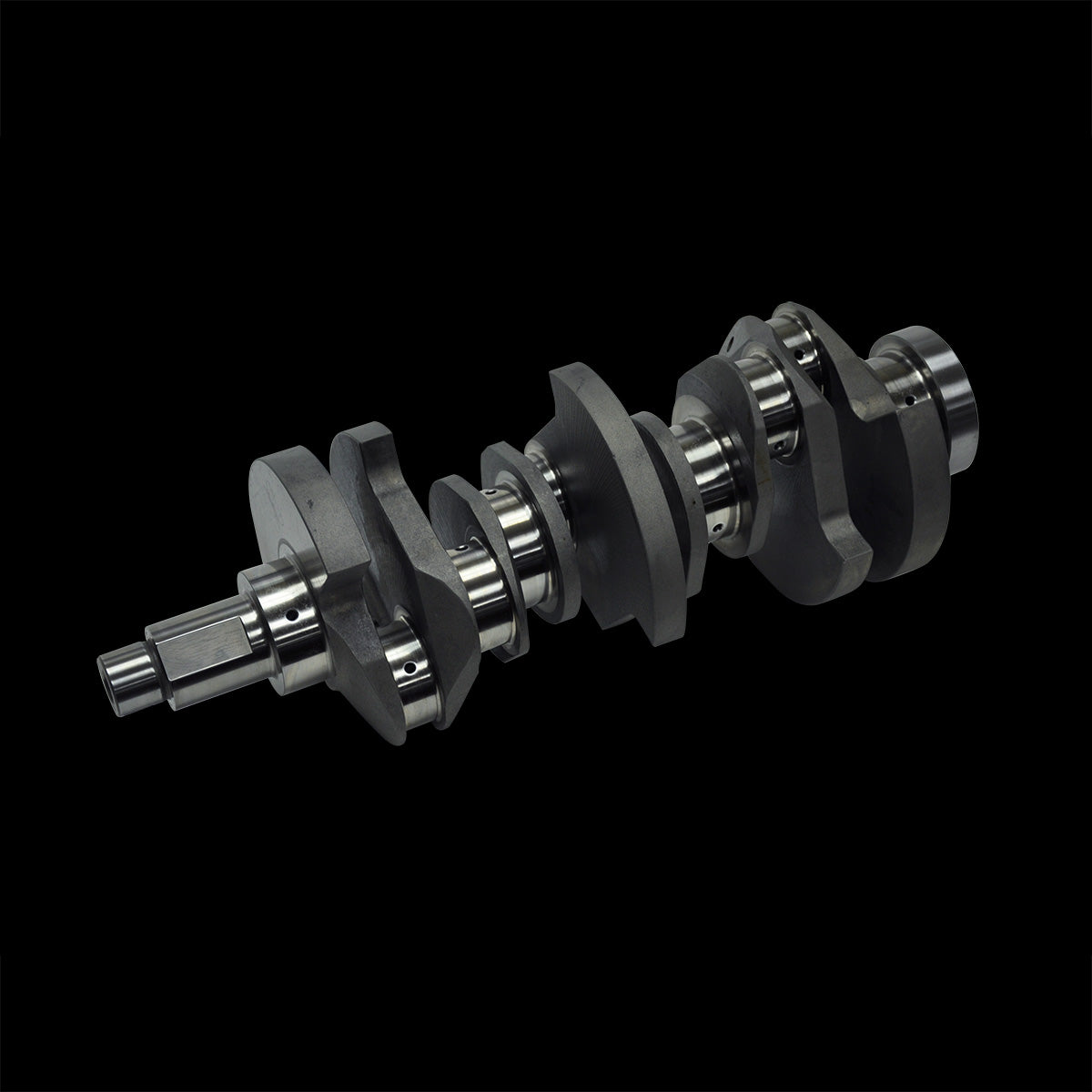
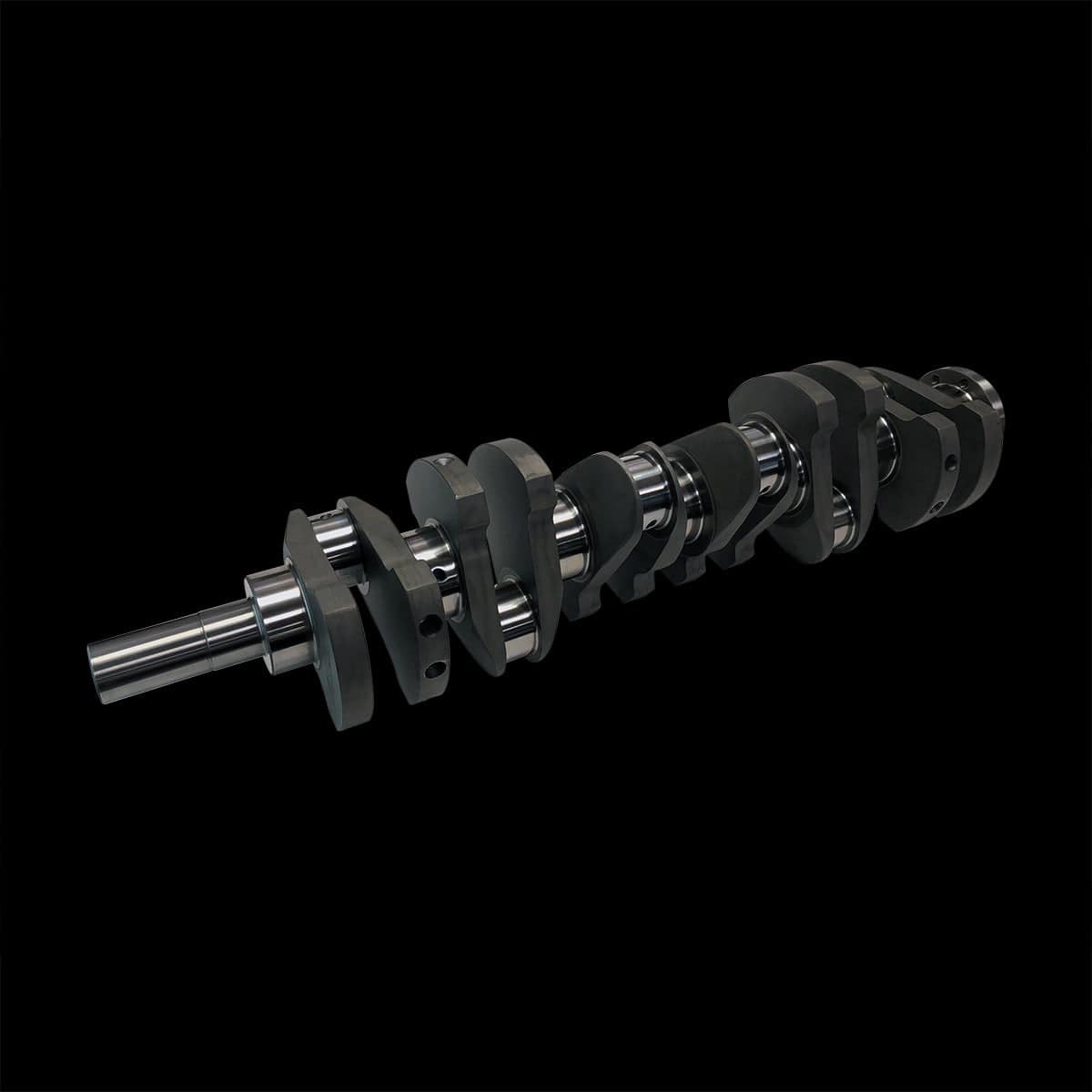
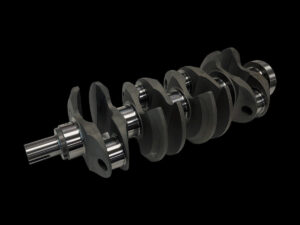
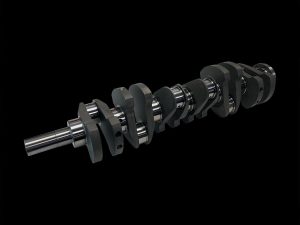
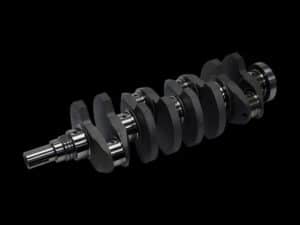
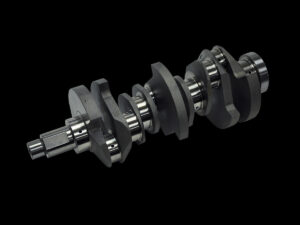
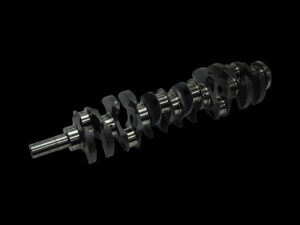
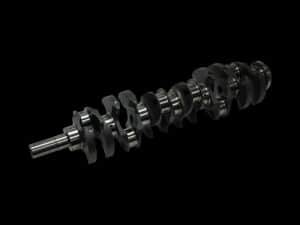
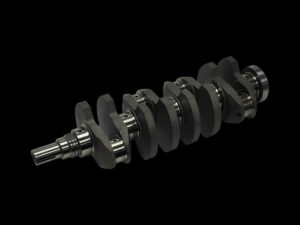
In the realm of forced-induction performance, the Mitsubishi 6G72 engine, particularly in its legendary twin-turbocharged VR-4 iteration, represents a platform of immense potential often constrained by the limits of its factory rotating assembly. To transcend these limits and build a foundation for serious power, the rotating mass must be addressed with components engineered for extreme duty. The Brian Crower BC5149 Crankshaft is not merely a replacement; it is a fundamental re-engineering of the heart of the 6G72. Crafted from premium 4340 chromoly billet steel and featuring a strategic 84mm stroke, this crankshaft is the definitive solution for builders targeting reliable horsepower figures well beyond the capabilities of the factory casting. It is engineered for the individual who understands that in high-strung, high-RPM applications, the crankshaft is the single most critical component for converting combustion energy into rotational force without failure. Every dimension, counterweight, and radius on the BC5149 is the product of advanced CNC machining and metallurgical science, resulting in a component that offers unshakable durability, optimized stroke for displacement gains, and a self-balancing design that simplifies the blueprinting process for a truly balanced rotating assembly.
Core Engineering & Material Science
The foundational superiority of the BC5149 begins at the atomic level with its material composition. Unlike a forged crankshaft, which is shaped under immense pressure, or a cast unit, which is poured into a mold, a billet crankshaft is machined from a single, solid block of pre-hardened 4340 chromoly steel. This process allows for grain structure that follows the exact contours of the part, eliminating the potential for flow lines or stress points inherent in forging processes. 4340 steel is renowned for its exceptional strength-to-weight ratio and superb fatigue resistance, courtesy of its nickel-chromium-molybdenum alloy blend. This material can withstand the tremendous bending and torsional loads generated in high-boost, high-RPM environments where a factory crankshaft would be prone to flexing or catastrophic failure. Brian Crower subjects each billet to rigorous heat-treating processes, achieving a core hardness that ensures long-term dimensional stability under thermal stress, while maintaining a tough, ductile interior to absorb impact forces. The result is a crankshaft with a fatigue life exponentially greater than OEM, designed to be the steadfast anchor of a performance build intended for street, strip, or circuit.
The 84mm Stroke Advantage & Self-Balancing Design
Stroke is a primary determinant of an engine’s displacement and torque characteristics. The BC5149’s 84mm stroke represents a calculated increase over many stock configurations, providing a direct path to greater cubic capacity without necessitating a costly and complex block overbore. This increased stroke, when paired with appropriate connecting rods and pistons, enhances the engine’s volumetric efficiency and low-end torque production, broadening the powerband—a critical advantage for turbocharged applications seeking reduced lag and stronger mid-range pull. Perhaps equally significant is the crankshaft’s self-balancing design. Each counterweight is precisely machined and sized to internally balance the crankshaft’s own rotating mass. This means the crankshaft arrives as a neutrally balanced component, drastically reducing the amount of external balancing required on the harmonic damper and flywheel/flexplate during assembly. This precision simplifies the balancing process, reduces cost, and leads to a smoother-operating engine with reduced harmonic vibrations, which is paramount for bearing longevity and overall engine refinement at elevated RPMs.
Uncompromising Precision & Durability Features
Beyond material and stroke, the BC5149 is defined by a host of precision-machined features that contribute directly to performance and reliability. All journal surfaces—both main and rod—are micro-polished to a mirror finish, minimizing friction and providing an ideal surface for oil film retention, which is the first line of defense against bearing wear and spun bearings. The fillet radii at the junction of the journals and crankshaft cheeks are rolled and polished to a larger, smoother radius than typical OEM units. This process induces compressive stresses in the fillet area, the most common point of stress concentration and fatigue failure, thereby significantly increasing the crankshaft’s fatigue strength. Furthermore, the oil passages are meticulously deburred and chamfered to ensure unrestricted oil flow to the critical bearing surfaces. For ultimate security in the most extreme applications, the crankshaft is also fully cross-drilled. This engineering feature ensures that the rod journals receive a continuous supply of pressurized oil directly from the main journals, regardless of crankshaft position, guaranteeing lubrication under the highest gravitational and centrifugal loads encountered in competition environments.
- Ultimate Tensile Strength: Fabricated from 4340 chromoly billet steel, providing fatigue resistance and durability far beyond OEM cast or even forged units.
- Optimized Stroke: 84mm stroke enables increased displacement and torque, improving volumetric efficiency and powerband characteristics for forced-induction builds.
- Pre-Internally Balanced: Self-balancing counterweight design simplifies the external balancing process, reduces cost, and promotes smoother high-RPM operation.
- Enhanced Fatigue Life: Rolled and polished fillet radii eliminate stress risers, the primary failure point in high-load crankshafts.
- Superior Lubrication: Micro-polished journals and fully cross-drilled oil passages ensure optimal oil film retention and uninterrupted lubrication to bearing surfaces.
- CNC Precision: Machined to exacting tolerances for perfect fitment, ensuring proper main bearing clearance and alignment right out of the box.
Vehicle & Engine Fitment
The Brian Crower BC5149 crankshaft is engineered specifically for the Mitsubishi 6G72 engine platform. Its precise dimensions and journal sizes ensure direct compatibility with standard main and rod bearing sets for this engine family. Primary fitment is focused on the performance-centric twin-turbocharged 6G72 variants found in the iconic Mitsubishi 3000GT VR-4 and Dodge Stealth R/T Turbo models. It is also the correct upgrade for naturally aspirated 6G72 engines seeking a robust foundation for forced induction conversion or high-RPM naturally aspirated builds. Builders must verify clearance within their specific engine block, particularly with the increased stroke, and must pair this crankshaft with connecting rods and pistons designed for the 84mm stroke and 6G72 rod journal diameter. It is compatible with both early and late model 6G72 blocks, but as with any performance build, consulting specific engine blueprints and measuring for clearances (piston-to-deck, piston-to-valve, rod-to-block) is an absolute necessity during assembly.
Technical Specifications Table
| Specification | Detail |
|---|---|
| Part Number | BC5149 |
| Engine Application | Mitsubishi 6G72 (VR-4 / 3000GT / Stealth) |
| Stroke | 84mm |
| Material | 4340 Chromoly Billet Steel |
| Main Journal Diameter | Standard 6G72 Size |
| Rod Journal Diameter | Standard 6G72 Size |
| Balance | Self-Balancing (Internally Balanced) |
| Oil Passages | Fully Cross-Drilled |
| Surface Finish | Micro-Polished Journals |
The Final Component for a Bulletproof Rotating Assembly
Selecting the Brian Crower BC5149 Billet Crankshaft is the definitive commitment to building a 6G72 engine capable of delivering consistent, reliable power under severe operational stress. It transforms the rotating assembly from a potential liability into an absolute asset. This crankshaft is the core around which a truly balanced and powerful engine is built—when paired with quality forged connecting rods and pistons, a high-volume oil pump, and a precision balancing service for the entire assembly, the result is an engine that operates with a level of mechanical harmony and strength unattainable with factory components. For the builder targeting significant horsepower gains, whether for a street-driven monster, a drag strip contender, or a time-attack weapon, this crankshaft provides the peace of mind that comes from using a component engineered without compromise. It embodies the principle that in performance engineering, the foundation must be indestructible. To further understand the material science behind 4340 billet steel and its advantages in motorsport applications, consider reading this detailed analysis on the properties of premium crankshaft steels.
Reviews
There are no reviews yet.