
No products in the cart.
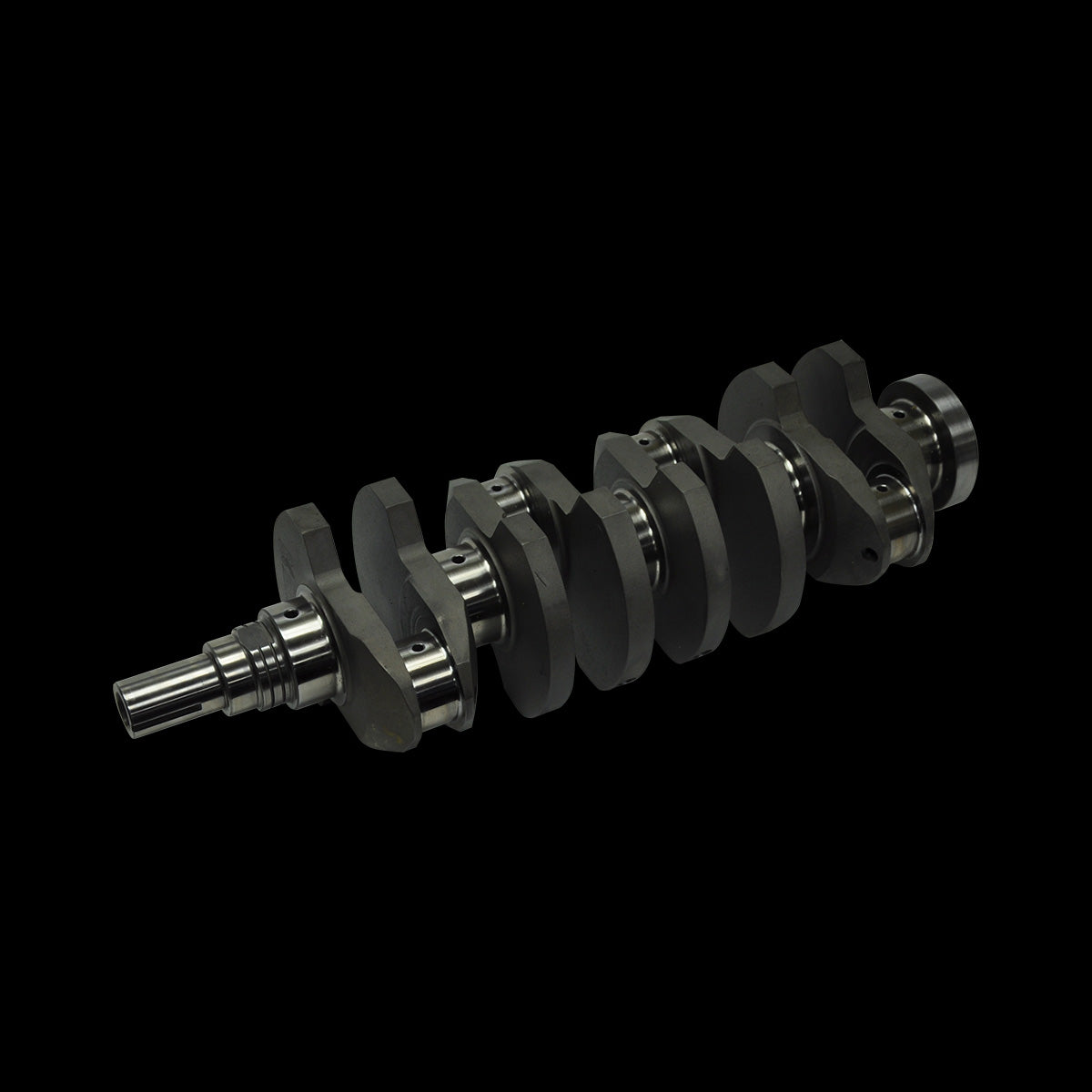
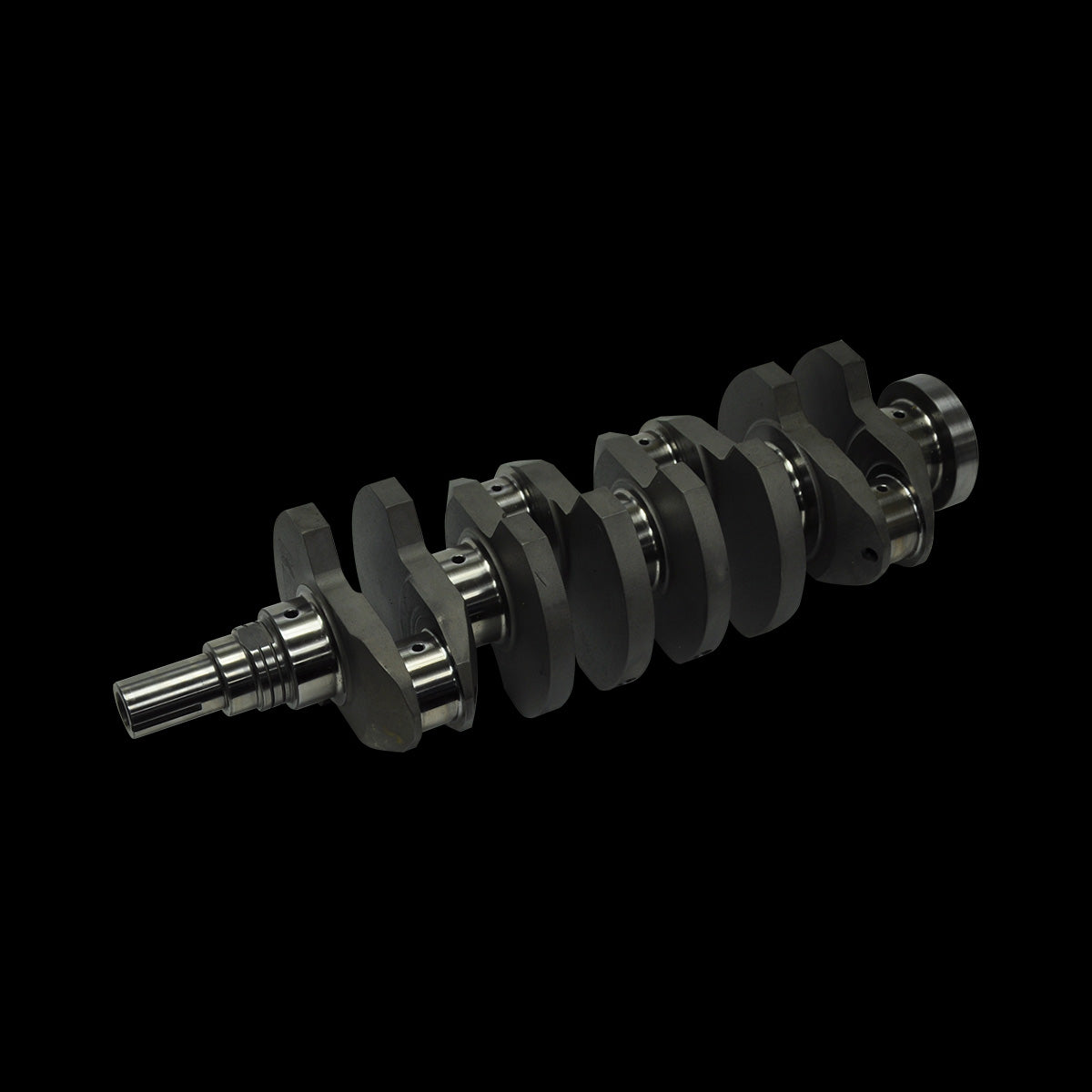
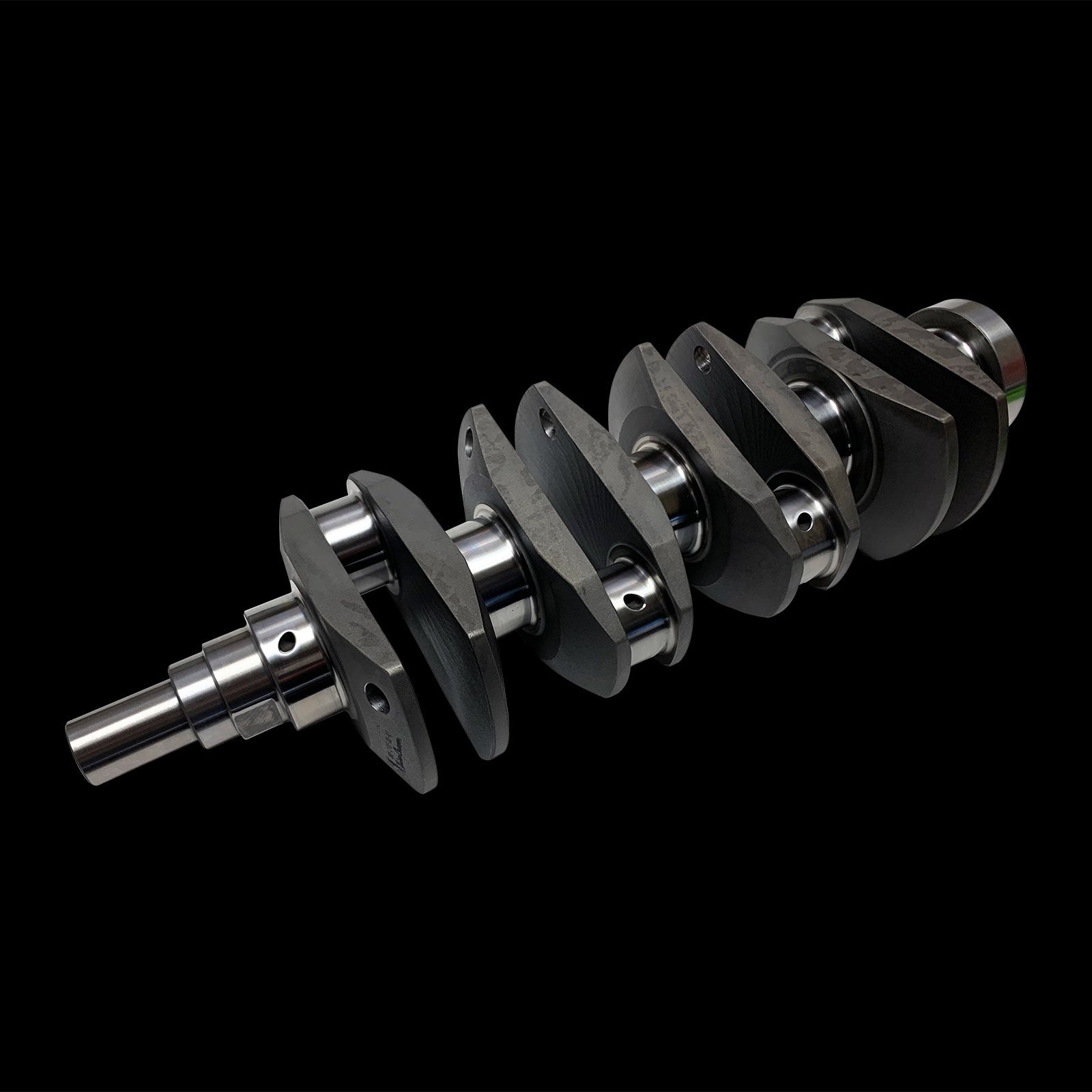
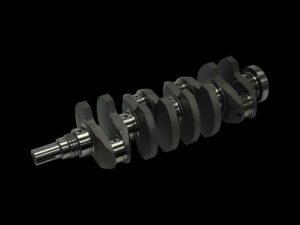
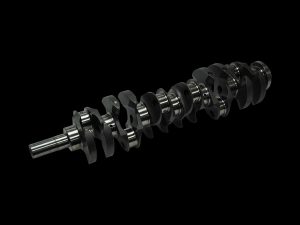
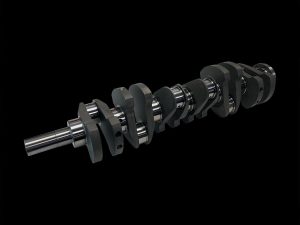
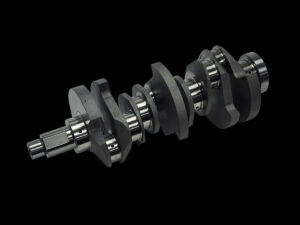
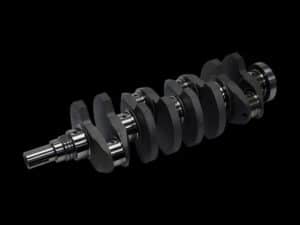
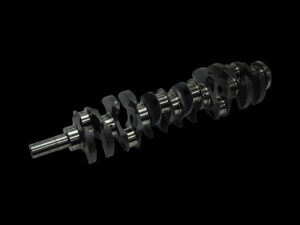
In the realm of forced induction performance, the crankshaft is the spinal column of the rotating assembly, converting linear piston motion into rotational force. For the legendary Toyota 3SGTE engine—a powerhouse found in the iconic MR2 Turbo, Celica GT-Four, and Caldina GT-T—the stock crankshaft, while robust, becomes the limiting factor for builders targeting severe horsepower levels and elevated RPM limits. The Brian Crower BC5350 crankshaft is engineered to eliminate this limitation. This is not a reground or reworked OEM unit; it is a completely new, precision-machined billet component crafted from premium 4340 chromoly steel. With its 91mm stroke, it forms the foundational core for high-displacement builds, engineered for brutal power, relentless durability, and unmatched precision in professional-grade 3SGTE applications.
Material Science and Billet Integrity
The choice of material is the first and most critical departure from stock. The BC5350 is machined from a solid billet of SAE 4340 nickel-chromium-molybdenum alloy steel. Unlike cast or even forged crankshafts, the billet process begins with a homogenously dense bar of premium material. This ensures a continuous grain flow that follows the final machined contours of the crankshaft, eliminating potential weak points found at the grain boundaries of castings or the parting lines of forgings. 4340 steel is renowned for its exceptional strength-to-weight ratio and superb fatigue resistance, with a tensile strength typically exceeding 180,000 PSI after proper heat treatment. This material is the unequivocal standard for crankshafts in professional motorsport, capable of withstanding the tremendous bending and torsional loads generated by high cylinder pressure, aggressive boost, and sustained high-RPM operation without flexing or failing.
Precision Engineering and Harmonic Control
Every dimension of the BC5350 is held to aerospace-level tolerances. The 91mm stroke is precisely calculated, often used in conjunction with aftermarket rods and pistons to achieve displacements beyond 2.2 liters, dramatically increasing torque potential and area under the curve. Each journal—main and rod—is micro-polished to a mirror finish (often sub-10 Ra), a process that minimizes friction, reduces wear on bearings, and promotes superior oil film retention. Counterweight design is optimized for the specific mass of aftermarket connecting rods and pistons, ensuring perfect rotational balance when the assembly is blueprinted.
Perhaps the most critical engineering advancement is the treatment of harmonics. At elevated RPM, crankshafts can experience torsional vibration that can lead to catastrophic failure. The BC5350’s inherent stiffness from its billet construction raises its natural harmonic frequency well outside the operational range of a tuned performance engine. For a deeper technical dive into crankshaft harmonics and their critical role in engine longevity, refer to this authoritative resource on engine harmonics theory and practice. This built-in resistance to harmonic distortion ensures that valvetrain timing remains consistent and bearing loads are evenly distributed, even during prolonged track sessions or high-speed pulls.
Key Performance Benefits
- Unmatched Strength & Fatigue Resistance: 4340 billet construction provides ultimate durability for 1000+ horsepower applications and sustained high-RPM use, far surpassing the capabilities of the OEM casting.
- Foundation for Increased Displacement: The 91mm stroke is the key component for building a high-torque, large-displacement 3SGTE, often reaching 2.2L to 2.4L, transforming the engine’s power band.
- Optimized Rotational Mass and Balance: Precision counterweighting for common aftermarket rod/piston combos reduces parasitic drag and ensures smooth, vibration-free operation at all engine speeds.
- Superior Bearing and Oiling Surface: Micro-polished journals reduce friction, lower operating temperatures, and dramatically extend bearing life, a critical factor for boosted engines.
- Absolute Dimensional Consistency: CNC machined from a solid billet, every BC5350 is identical, eliminating the dimensional variances of production castings and simplifying the blueprinting process.
Vehicle Fitment and Application Notes
The Brian Crower BC5350 crankshaft is designed as a direct-replacement component for the Toyota 3SGTE engine family. It is compatible with both early and late-model configurations, though attention must be paid to ancillary components. It is a cornerstone for any serious rebuild targeting professional-level horsepower.
Primary Vehicle Fitment: Toyota SW20 MR2 Turbo (1991-1995), Toyota ST185 Celica GT-Four (1989-1993), Toyota ST205 Celica GT-Four (1994-1999), Toyota Caldina GT-T (ST246).
Engine Compatibility: All generations of the 3SGTE engine (Gen 2, Gen 3, Gen 4). Builders should verify the need for matching aftermarket connecting rods (typically with a specific rod journal diameter) and pistons calibrated for the 91mm stroke. The crankshaft is supplied without bearings; ACL, King, or Brian Crower race bearings in the appropriate clearance are required. A thorough engine balance (mandatory) of the entire rotating assembly—crankshaft, damper, flywheel, clutch disc, rods, and pistons—is non-negotiable for achieving the reliability this component is designed to deliver.
Technical Specifications: BC5350 Crankshaft
| Part Number | BC5350 |
| Engine Application | Toyota 3SGTE |
| Construction | 4340 Chromoly Steel Billet |
| Stroke | 91mm |
| Main Journal Diameter | Standard OEM Size (Confirm for specific year) |
| Rod Journal Diameter | Standard OEM Size (Typically requires aftermarket rods) |
| Heat Treatment | Nitride Hardened for Surface Durability |
| Finish | Micro-Polished Journals |
| Balance | Internal balance, requires external assembly balancing |
Installing the BC5350 crankshaft is a commitment to building an engine that operates at the highest tier of performance. It is the definitive upgrade for the 3SGTE enthusiast who recognizes that true power and reliability are built from the inside out, starting with the absolute best foundation possible. This component transforms the engine’s character, providing the mechanical integrity to harness the immense power potential of modern turbocharging and fuel management technology.
Reviews
There are no reviews yet.