
No products in the cart.
The Heart of the Beast: Engineering Unrestricted Power
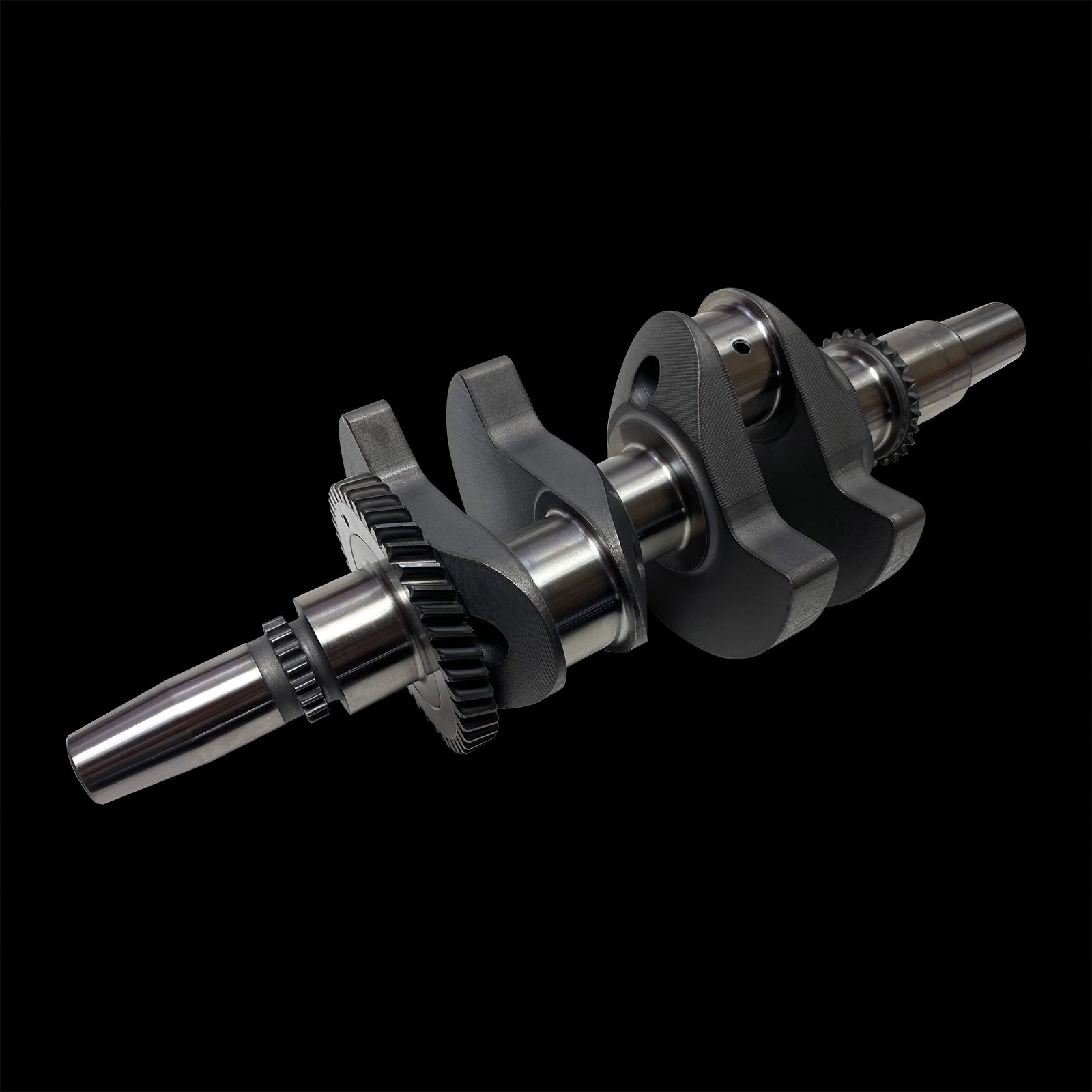
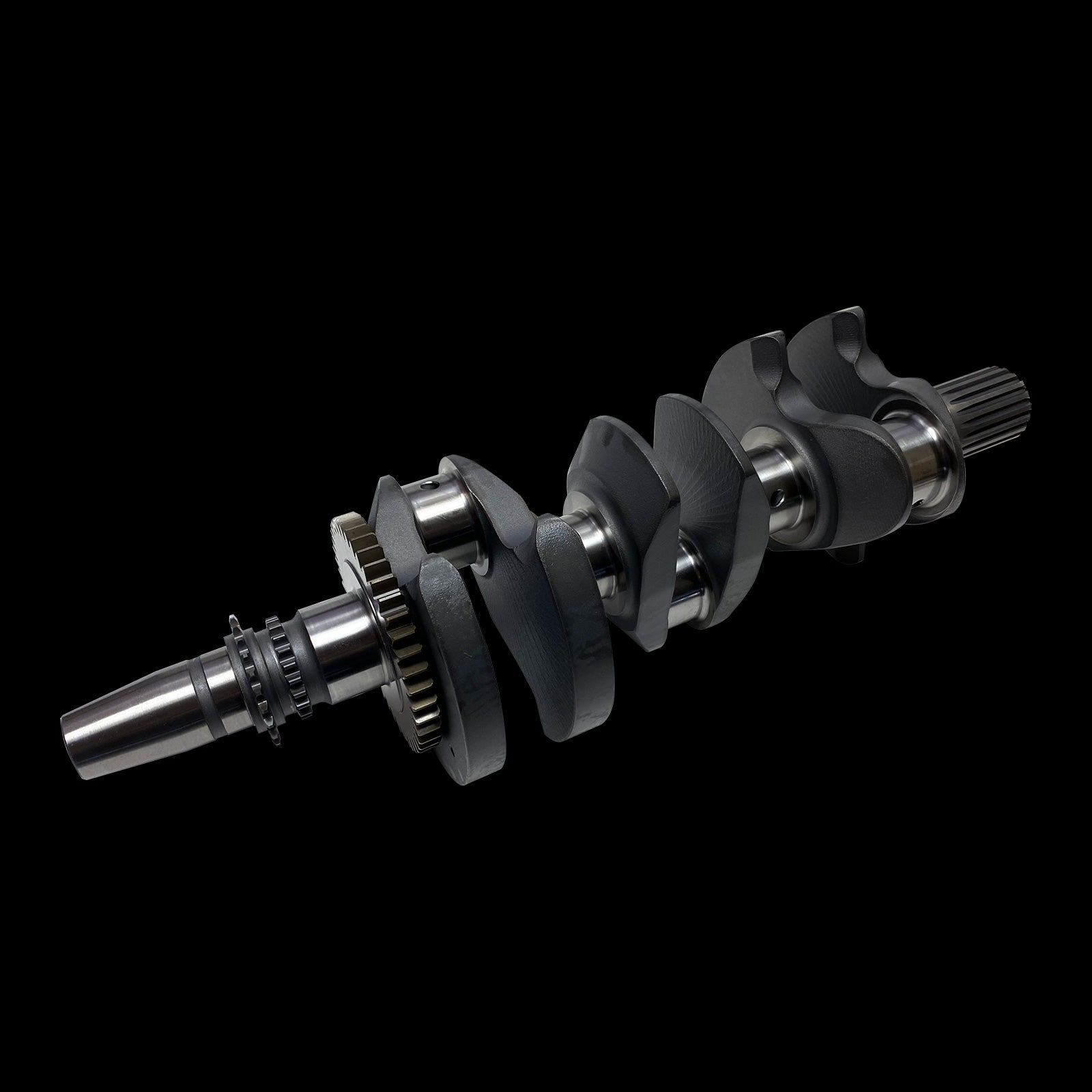
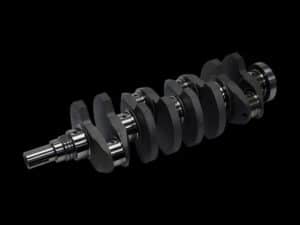
In the relentless pursuit of horsepower and torque, the crankshaft is the foundational component that dictates an engine’s character and capability. For the Polaris XP Turbo platform, a stroke increase represents one of the most effective methods to unlock substantial, streetable power. The Brian Crower BC5911 Unbalanced Stroker Crankshaft is not a mere accessory; it is a core engineering upgrade designed for the racer, builder, and enthusiast who demands maximum performance without compromise. Engineered specifically for the 2016-and-later ProStar 850 Turbo engine, this 72.5mm stroker crankshaft with its aggressive 270° crank pin phasing is a testament to purpose-built racing technology. Unlike factory-balanced assemblies intended for broad consumer use, the BC5911 arrives as an unbalanced component, placing critical tuning control in the hands of the master builder. This allows for precise balancing as part of a complete rotating assembly, ensuring perfection for your specific combination of rods, pistons, and flywheel. It is the definitive choice for constructing a Polaris Turbo engine that dominates from the dunes to the drag strip.
Unmatched Benefits: Why the BC5911 Dominates
The BC5911’s value proposition is defined by tangible, performance-driven advantages. Its design philosophy sacrifices nothing in the quest for durability and power.
- Substantial Displacement Increase: The 72.5mm stroke, up from the factory dimension, significantly increases engine displacement. This translates directly to greater torque output across the entire RPM band, providing a broader, more usable power curve that is particularly effective in forced-induction applications.
- 270° Crank Pin for Superior Balance: The innovative 270° crank pin configuration is a key performance differentiator. This design inherently improves engine balance and reduces vibrations compared to some alternative phasing, leading to smoother operation at extreme RPM and reduced stress on engine bearings and components.
- Forged 4340 Steel Construction: Manufactured from premium AMS 4340 alloy steel and precision-forged, the BC5911 possesses an exceptional strength-to-weight ratio. This material can withstand the tremendous cyclical loads and combustion pressures generated by high-boost turbocharged engines, ensuring long-term reliability under punishing conditions.
- Unbalanced Design for Precision Building: Delivered unbalanced, this crankshaft is intended for professional assembly. This allows the engine builder to dynamically balance the entire rotating assembly—crankshaft, connecting rods, pistons, and flywheel—as one unit. This results in a level of mechanical smoothness and harmonic control unattainable with pre-balanced, off-the-shelf components, which is critical for high-RPM stability and longevity.
- Race-Proven Design & Tolerances: Brian Crower components are developed and tested in the most demanding racing environments. The BC5911 features precision-machined journals with tight tolerances, superior surface finishes for optimal oil film retention, and a design optimized for high-performance bearing life.
A Technical Deep Dive: The 270° Crank Pin Advantage
To understand the BC5911’s prowess, one must examine the science behind its 270° crank pin phasing. Traditional inline-twin engines often utilize a 180° pin offset, where pistons move in direct opposition. The 270° configuration creates an uneven firing interval—referred to as a “big bang” firing order. This results in a unique power delivery character where combustion pulses are grouped closer together. The primary mechanical advantage is a reduction in certain harmonic vibrations and inertial torque fluctuations, leading to a crankshaft that experiences less torsional stress. This engineering choice, as detailed in technical discussions on engine dynamics found in resources like Engine Labs’ crankshaft technology analysis, allows for a more stable rotating assembly at elevated RPMs. When paired with the increased stroke, the 270° pin helps manage the increased piston speeds and inertial forces, making this stroker combination not just about more displacement, but about a smarter, more robust implementation of that displacement.
Precision Fitment: Vehicle Application
The BC5911 is engineered as a direct-replacement core component for specific Polaris Turbo models. Correct fitment is critical for installation and performance.
Vehicle Fitment: This crankshaft is designed exclusively for the 2016 and newer Polaris ProStar 850 Turbo (4-stroke) engine platform. Primary applications include:
• 2016-2024 Polaris RZR XP Turbo / Turbo S / Turbo R (All models with the 850 Turbo engine)
• 2016-2024 Polaris RZR XP 4 Turbo / Turbo S
• 2020-2024 Polaris RZR Pro XP (Factory Turbo & Turbo R models)
• 2018-2024 Polaris General XP 1000 Turbo / Turbo S
Critical Note: This is an unbalanced crankshaft. Installation requires professional machining and engine building expertise, including pressing on/off the gear and sprocket, and most importantly, dynamic balancing of the complete rotating assembly. It is not a “bolt-in” component for a stock engine rebuild.
Technical Specifications & Build Requirements
The following table outlines the key specifications of the BC5911 crankshaft. Adherence to these dimensions is paramount for proper engine assembly and clearancing.
| Specification | Detail |
|---|---|
| Part Number | BC5911 |
| Application | Polaris ProStar 850 Turbo (2016-Up) |
| Stroke | 72.5mm |
| Crank Pin Phasing | 270° |
| Construction | Forged 4340 Steel |
| Balance Condition | Unbalanced (Requires Assembly Balancing) |
| Journal Surfaces | Precision Machined & Microfinished |
| Required Builder Action | Dynamic Balancing, Gear/Sprocket Installation, Potential Cylinder/Case Clearancing |
Build Considerations: Installing this stroker crankshaft is a system-level modification. The increased stroke will typically require the use of compatible stroker-specific pistons (often with a redesigned pin height) and potentially longer connecting rods. Cylinder and engine case clearancing may be necessary to accommodate the increased rod swing arc. A comprehensive engine management recalibration (ECU tune) is absolutely mandatory to properly manage air/fuel ratios, ignition timing, and boost control for the increased displacement and revised combustion dynamics. The BC5911 is the cornerstone of a full performance engine build, intended for those who engineer their powerplants rather than just assemble them.
Be the first to review “BC5911 – Unbalanced Polaris Turbo (16-up) Stroker Crankshaft 72.5mm w/270° Crank Pin”
| Make | Model | Year |
|---|---|---|
| Polaris | XP Turbo | 2016 - 2023 |
Related products
2JZGE/GTE VVT-i
BC5309LW-96 – Toyota 2JZGTE LightWeight Crankshaft – 4340 Billet – 96mm Stroke w/Honda Journal
$5,851.73
Sale!
Original price was: $5,652.64.$4,915.34Current price is: $4,915.34.
$2,779.72
$4,626.45
Reviews
There are no reviews yet.