
No products in the cart.
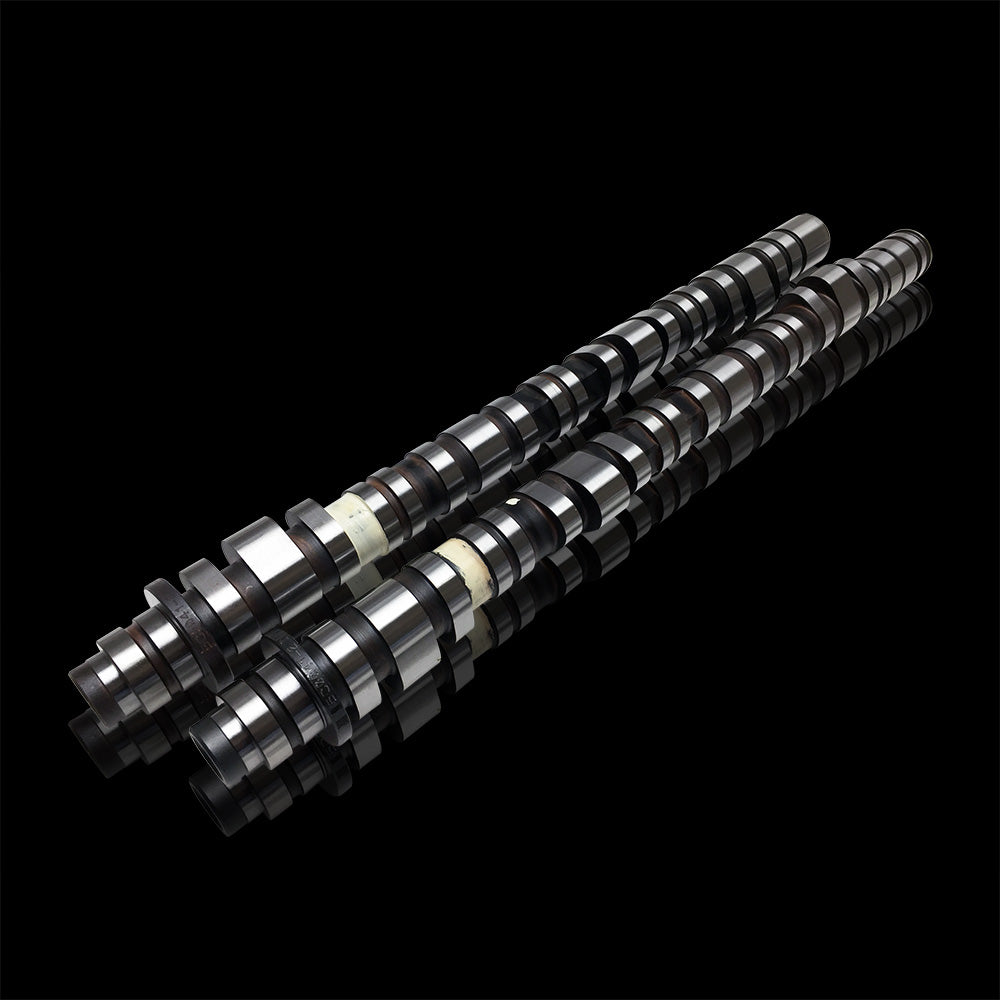
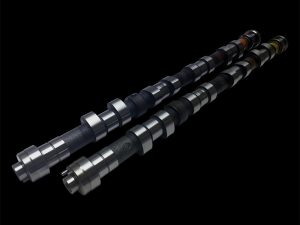
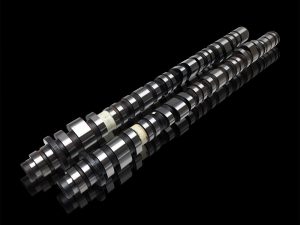
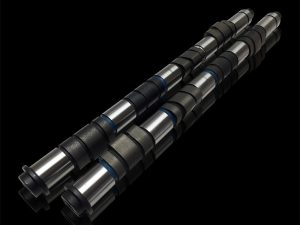
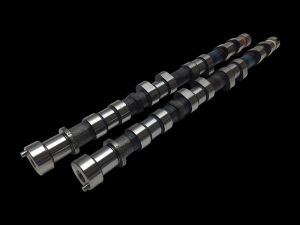
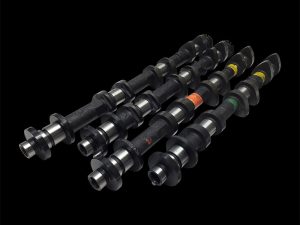
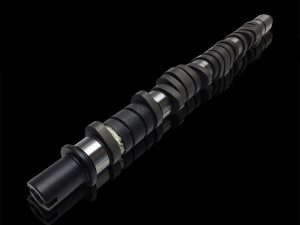
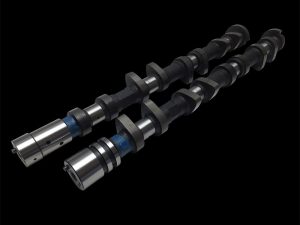
BC0043-2: Brian Crower Honda K20A/K20Z Stage 3 Performance Camshafts – Normally Aspirated Spec
When the pursuit of ultimate, naturally aspirated horsepower from a K-series engine transitions from theory to practice, valve timing becomes the final, decisive frontier. For builders of fully-built, high-compression K20A, K20Z, and hybrid K24 engines who have already maximized displacement, compression, and airflow, the selection of camshafts is the critical component that unlocks the engine’s true genetic potential. The Brian Crower BC0043-2 Stage 3 camshaft set is engineered specifically for this elite application. It is not a modification for the faint of heart or the stock-bottom-end; it is the definitive valve-timing solution for serious all-motor race engines, engineered to produce devastating top-end power while maintaining a usable power band with supporting modifications. This specification represents a calculated aggression, designed to work in perfect harmony with high-compression pistons (13.0:1 and above), ported cylinder heads, and optimized exhaust systems to extract every last horsepower from a normally aspirated configuration.
Precision Engineering for Maximum N/A Horsepower
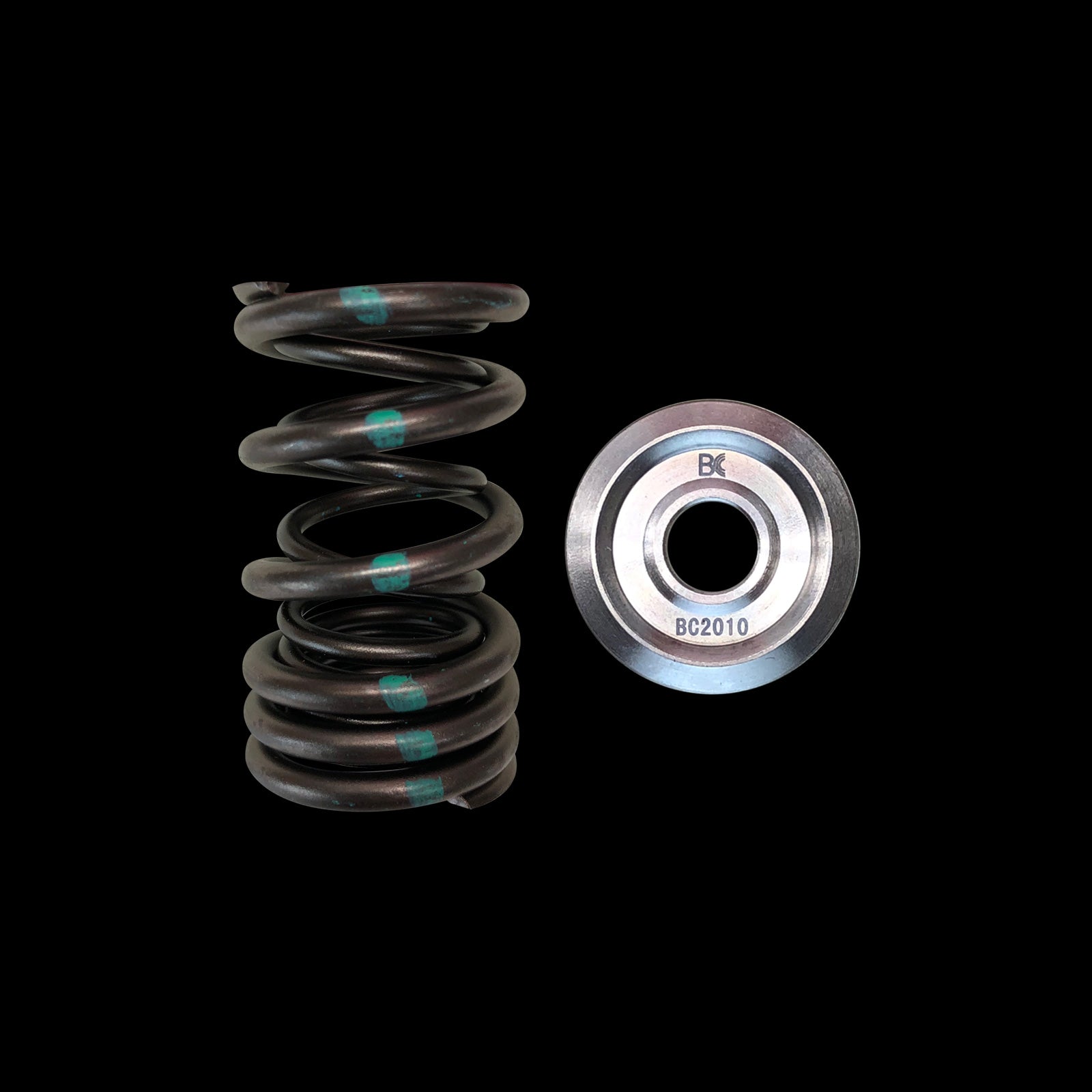
The BC0043-2 profile is the result of extensive dyno and track testing, targeting the peak volumetric efficiency point of a fully built K-series engine. This Stage 3 grind is characterized by increased duration and lift over milder Stage 2 and “bolt-in” profiles. The primary engineering goal is to extend the engine’s power band significantly higher in the RPM range, allowing it to breathe efficiently and make power well past 8,500 RPM. The aggressive lobe design demands corresponding valvetrain upgrades—such as the BC0200 valve springs and titanium retainers—to ensure stability at these extreme engine speeds. The camshafts are manufactured from premium-grade steel billet, utilizing CNC precision grinding and micro-polishing to ensure exacting lobe profiles, superior surface finish for reduced friction, and exceptional durability under high-stress conditions.
Technical Specifications & Design Philosophy
The design philosophy behind the BC0043-2 is to maximize the area under the lift curve at high RPM. Increased duration allows more time for air to fill the cylinder at high engine speeds, while increased lift presents a larger curtain area for airflow at the valve. The lobe separation angle (LSA) is carefully chosen to manage dynamic compression and exhaust scavenging, optimizing power production in a naturally aspirated environment where every psi of cylinder pressure is precious. Proper installation with precise degreeing is absolutely mandatory to achieve the intended power curve and avoid piston-to-valve interference, especially with high-compression pistons.
| BC0043-2 Camshaft Technical Specifications | ||||
|---|---|---|---|---|
| Camshaft | Duration (@ 0.050″) | Gross Valve Lift | Lobe Separation Angle | Recommended RPM Range |
| Intake | 294° | 12.8mm (0.504″) | 114° | 4,800 – 9,200+ RPM |
| Exhaust | 292° | 12.5mm (0.492″) | ||
Performance Benefits & Required Supporting Modifications
Installing the BC0043-2 camshafts transforms the character and output of a built K-series engine. The power gains are substantial but are entirely dependent on a complete engine system optimized for high-RPM, naturally aspirated operation. Expect a significant shift in the power band upward, with a pronounced and aggressive idle characteristic indicative of its racing pedigree. To understand the critical importance of cam timing and lobe separation angle in achieving these results, review this resource on camshaft fundamentals.
- Extreme Top-End Power: Engineered to dominate in the upper third of the RPM range, delivering peak horsepower figures that surpass milder cam profiles.
- High-RPM Stability: When paired with the appropriate valvetrain, these cams maintain precise valve control at sustained RPMs above 8,500.
- Optimized for High Compression: The profile works synergistically with high-static-compression pistons (13.0:1 to 13.5:1+) to build exceptional cylinder pressure where it makes power.
- Superior Exhaust Scavenging: The exhaust lobe profile and LSA promote efficient evacuation of spent gases, reducing pumping losses and improving intake charge purity.
- Race-Proven Durability: Manufactured from high-grade materials with precision processes to withstand the demands of circuit racing and time-attack competition.
Mandatory Supporting Modifications Include: Upgraded valve springs & titanium retainers (BC0200 or equivalent), high-compression pistons, ported cylinder head, aftermarket engine management (Hondata K-Pro/AEM EMS), a cold air intake, and a full, tuned-length header and exhaust system. A lightweight flywheel and strengthened clutch are also essential to manage the new power band.
Vehicle Fitment & Application Guidelines
The BC0043-2 camshafts are designed for specific K-series engine variants where the goal is maximum naturally aspirated output. They are a direct-fit replacement for the stock camshafts but require comprehensive engine management tuning and supporting hardware.
Primary Vehicle Fitment
Engine Codes: K20A2, K20A3, K20Z1, K20Z3, K24A2, and other compatible K-series blocks.
Primary Applications:
- Honda Civic Si (2002-2005 EP3, 2006-2011 FA5/FG2)
- Acura RSX Type-S (2002-2006)
- Honda Accord (2003-2007 with K24A2)
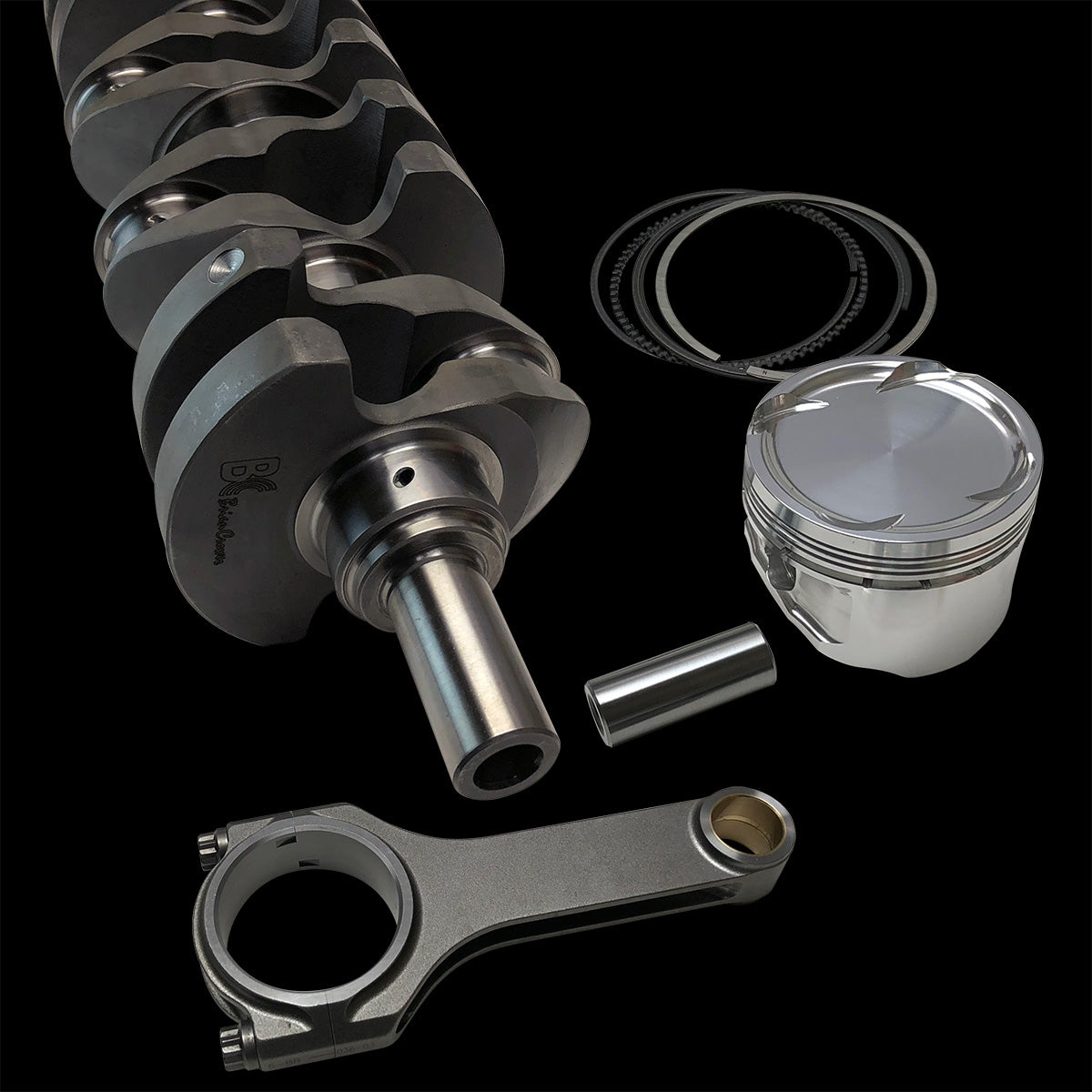
- K-Series Hybrid Builds (K24 bottom end with K20A/K20Z head)
Note: For K24 bottom ends, verifying piston-to-valve clearance during assembly is non-negotiable. These cams are intended for fully built, normally aspirated race engines only and are not recommended for street-driven vehicles with stock internals, forced induction, or nitrous oxide applications.
Installation Notes & Final Tuning Imperative
The installation of Stage 3 camshafts is a precision operation. Simply bolting them in at “dot-to-dot” timing marks will not yield correct results and can be dangerous. The camshafts must be “degreed” using an adjustable cam gear (such as Brian Crower’s BC-6210 series) to align the lobe centers precisely as designed. This process, along with meticulously checking piston-to-valve clearance at several points in the rotation, is the only way to ensure engine safety and performance. Final power and driveability are 100% dependent on professional dyno tuning with advanced engine management software. The tuner must optimize ignition timing, fuel maps, and VTEC engagement point to harness the new airflow characteristics, creating a power band that is both potent and usable for competition.
Reviews
There are no reviews yet.