
No products in the cart.
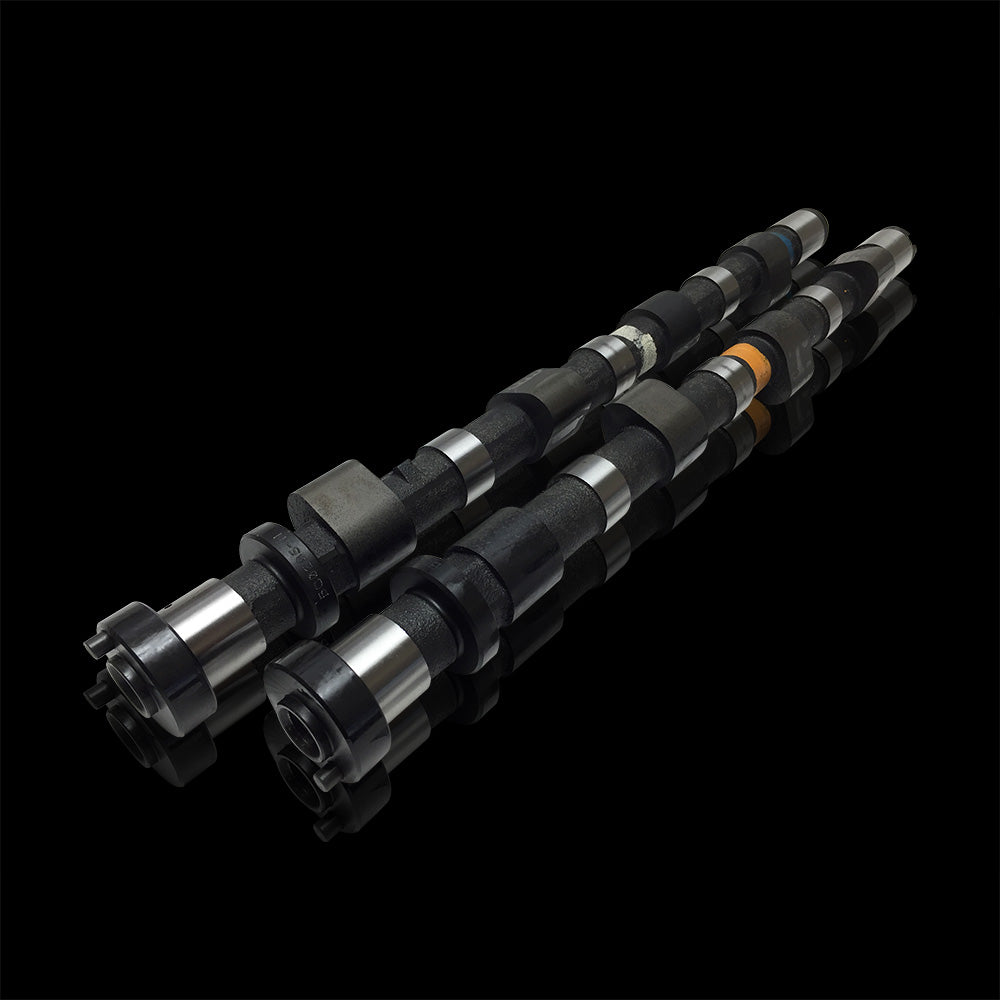
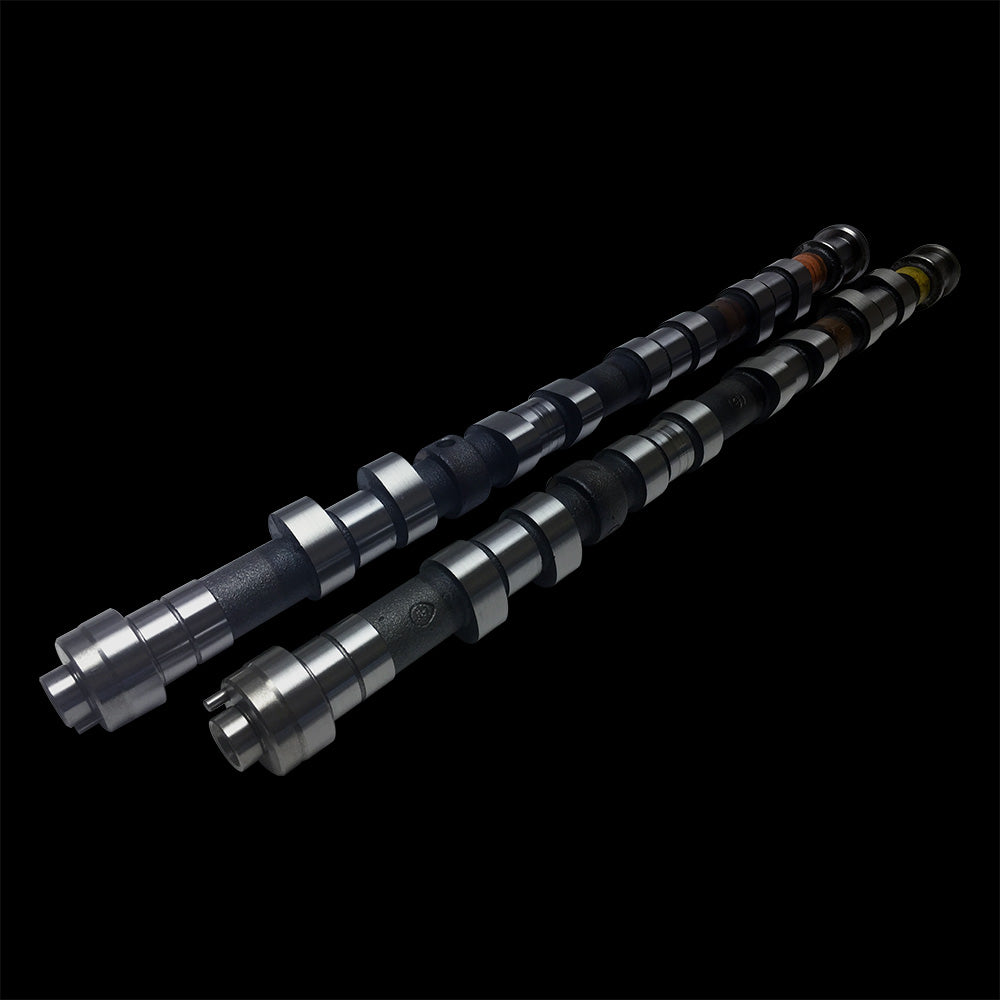
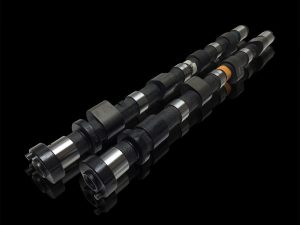
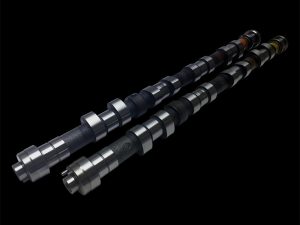
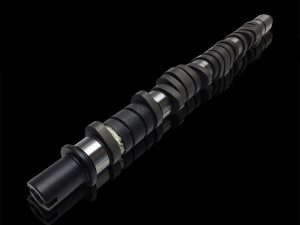
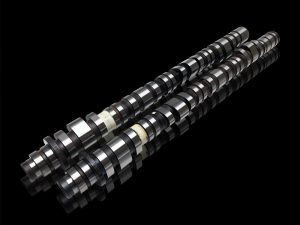
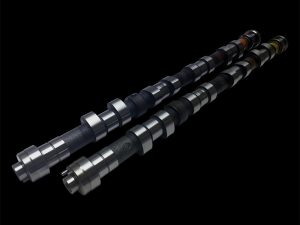
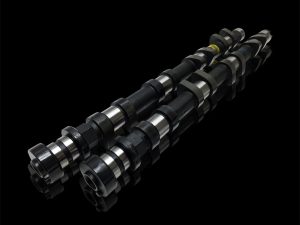
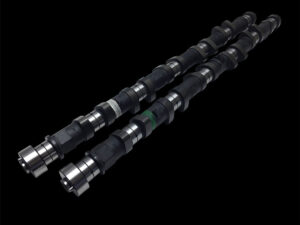
BC0205 – Nissan SR20DE(T) Stage 2 Camshafts – Street/Drift Spec
For the dedicated Nissan tuner seeking to extract serious, usable performance from the legendary SR20 engine, the Brian Crower BC0205 Stage 2 camshaft kit represents a calculated and precise upgrade. Engineered not for peak horsepower bragging rights alone, but for a transformative broadening of the powerband, these camshafts are the definitive mechanical solution for street-driven performance and controlled drift applications. This specification fills the critical gap between mild OEM+ grinds and aggressive, top-end-only race profiles, delivering a substantial torque increase from the mid-range upwards while maintaining drivability and factory-like idle quality. The result is an engine that breathes with authority, responds instantaneously to throttle input, and delivers a linear, predictable power delivery essential for performance driving where control is paramount. For a foundational understanding of camshaft dynamics and terminology that informs this design, resources such as this technical article on camshaft fundamentals are invaluable.
Design Philosophy: The Street/Drift Performance Envelope
The BC0205 profile is not an arbitrary set of lift and duration numbers; it is the product of targeted engineering for the SR20’s specific flow characteristics and the dynamic demands of street and drift use. The core philosophy centers on area under the curve rather than a singular peak power figure. By optimizing valve events, these cams increase the engine’s volumetric efficiency across a broader range of RPM. This translates directly to more torque available at the wheels when exiting corners, modulating throttle for drift angle, and during daily driving overtakes. The Stage 2 specification carefully balances increased overlap—which scavenges exhaust gases more effectively and pulls in a denser intake charge—with a duration that does not bleed off excessive cylinder pressure at lower RPM. This ensures you retain strong off-boost response in turbocharged DET applications and maintain vacuum for power brakes, while the enhanced lift directly addresses the SR20’s head-flow potential, allowing it to move significantly more air per cycle once on cam.
Precision Machining and Metallurgical Integrity
Performance is nothing without reliability. Each BC0205 camshaft is machined from a premium grade of virgin 8620 steel billet, a material chosen for its exceptional core strength and fatigue resistance. The lobes are then precision-ground to Brian Crower’s proprietary Stage 2 profile with tolerances measured in ten-thousandths of an inch. Following machining, the cams undergo a rigorous nitriding heat treatment process. This creates an immensely hard, wear-resistant outer case while preserving the ductile, shock-absorbing core—a critical combination for preventing lobe wear, especially with aggressive valve spring pressures. The finish is not merely cosmetic; the micro-smooth surface finish reduces friction with the lifter/follower, minimizing parasitic loss and wear for long-term durability under high-RPM, high-stress operation.
Technical Specifications & Performance Expectations
The following table details the exact valve event specifications for the BC0205 camshaft set, providing the hard data necessary for proper engine management calibration and performance forecasting. Note the symmetric intake/exhaust profile, a hallmark of a balanced street performance design.
| Parameter | Intake Cam | Exhaust Cam | Notes |
|---|---|---|---|
| Duration @ 0.050″ | 264° | 264° | Primary performance metric for usable powerband. |
| Advertised Duration | 272° | 272° | Typically measured at 0.006″ lift. |
| Gross Valve Lift | 10.8mm (0.425″) | 10.8mm (0.425″) | Assumes OE 1.5:1 rocker ratio. |
| Lobe Separation Angle (LSA) | 112° | Wider LSA aids idle stability and mid-range torque. | |
| Recommended RPM Range | 2,500 – 7,800 RPM | Powerband is fully realized within this range. | |
When paired with supporting modifications—such as a quality aftermarket ECU tune, high-flow intake/exhaust, and in turbo applications, appropriate fuel and boost upgrades—the BC0205 cams typically yield gains of 15-25+ wheel horsepower and 20-30+ lb-ft of torque, with the most significant gains occurring from 4,000 RPM to redline. The torque curve is fattened substantially, eliminating the “hole” in the mid-range that plagues many stock-turbo SR20DET setups and providing the NA SR20DE with a much-needed top-end charge.
Vehicle Fitment & Compatibility
The BC0205 camshaft set is engineered as a direct, drop-in replacement for the factory camshafts in the following Nissan SR20 engine applications. Correct identification of your engine’s valve train type (solid lifter vs. hydraulic lifter) is crucial for ensuring compatibility and ordering the appropriate valve springs.
Primary Applications:
- Nissan SR20DET (Red/Black Top): Fitted to the Nissan Silvia (S13, S14, S15), 180SX, 200SX, and Pulsar GTI-R. This is the primary application, offering transformative gains in spool response and mid-range torque.
- Nissan SR20DE (Non-Turbo): Found in the Nissan 200SX (S14), Sentra SE-R (B13, B14), and NX2000. These cams unlock the high-RPM potential of the NA head, creating a peakier, more responsive powerband ideal for spirited driving.
- Nissan SR20VE (Note): The SR20VE utilizes a variable valve timing system with a different head design. The BC0205 is not compatible with VVL/VVT engines.
Mandatory Supporting Modifications:
- Valve Springs: The increased lift and aggressive ramp rate of the Stage 2 profile require upgraded valve springs (such as Brian Crower BC0250) to prevent valve float and ensure positive valve control at high RPM.
- ECU Tuning: For optimal performance, drivability, and safety, professional ECU tuning is non-negotiable. Fuel maps, ignition timing, and variable cam timing (if equipped) must be recalibrated to suit the new airflow characteristics.
- Basic Supporting Mods: A high-flow air filter, performance exhaust, and proper fuel system are recommended to realize the full potential of the cam upgrade.
Installation, Calibration, and Final Tuning Notes
Installation of the BC0205 camshafts demands mechanical precision. The engine must be set to Top Dead Center (TDC) on cylinder #1, and the new camshafts installed with timing marks aligned per the manufacturer’s instructions. Valve lash must be checked and set cold to the recommended specification (typically 0.008″-0.010″ for intake, 0.010″-0.012″ for exhaust on solid lifter engines). Post-installation, a proper break-in procedure with high-ZDDP break-in oil is critical to seat the new lobes and followers correctly.
The final and most critical step is dynamic calibration. A tuner must adjust the engine management system to account for the significantly altered mass airflow signal and combustion dynamics. Key focus areas include enriching low-load and transition fuel cells, optimizing ignition advance for the new effective compression ratio, and, in the case of SR20DETs with NVCS, recalibrating the intake cam phasing map to maximize the benefits of the new profile across the RPM range. When tuned correctly, the BC0205-equipped SR20 will exhibit a slight, purposeful lope at idle, explosive mid-range response, and a relentless pull to redline—transforming a capable engine into a dominant force in the street and drift arena.
Reviews
There are no reviews yet.