
No products in the cart.
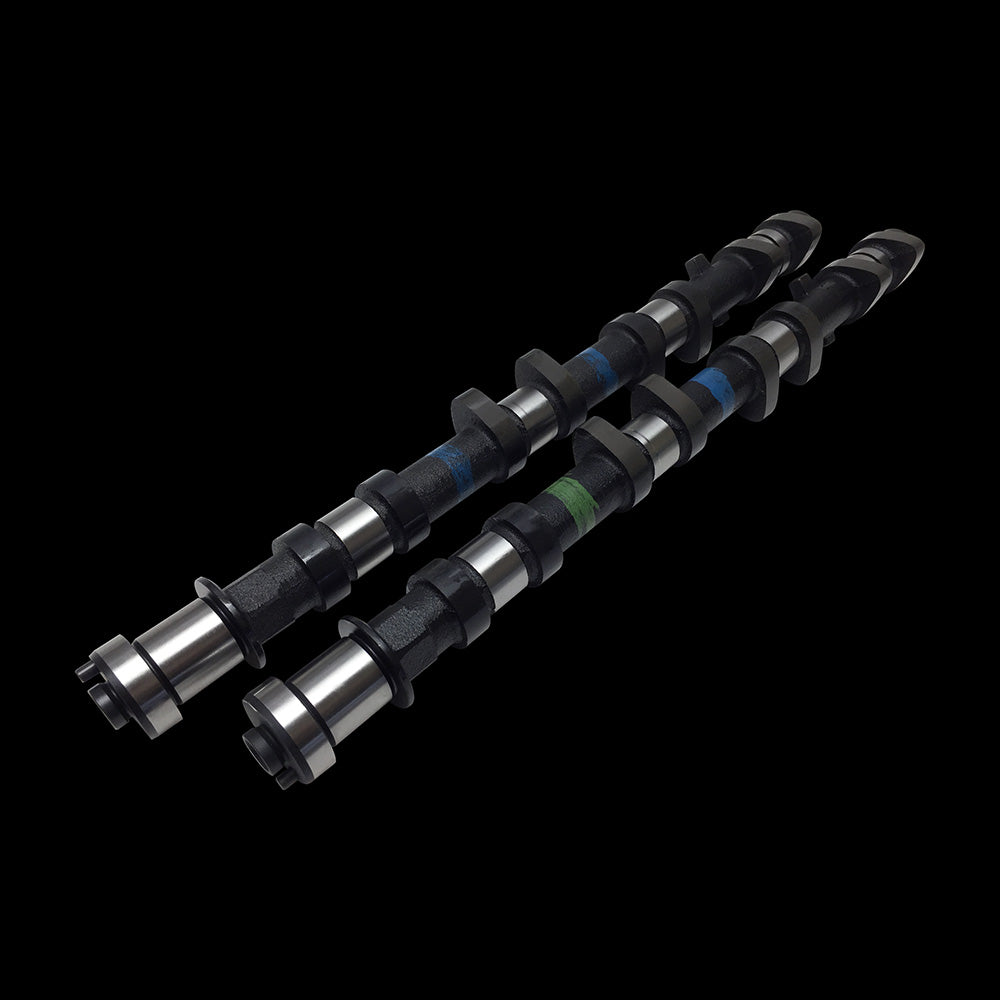
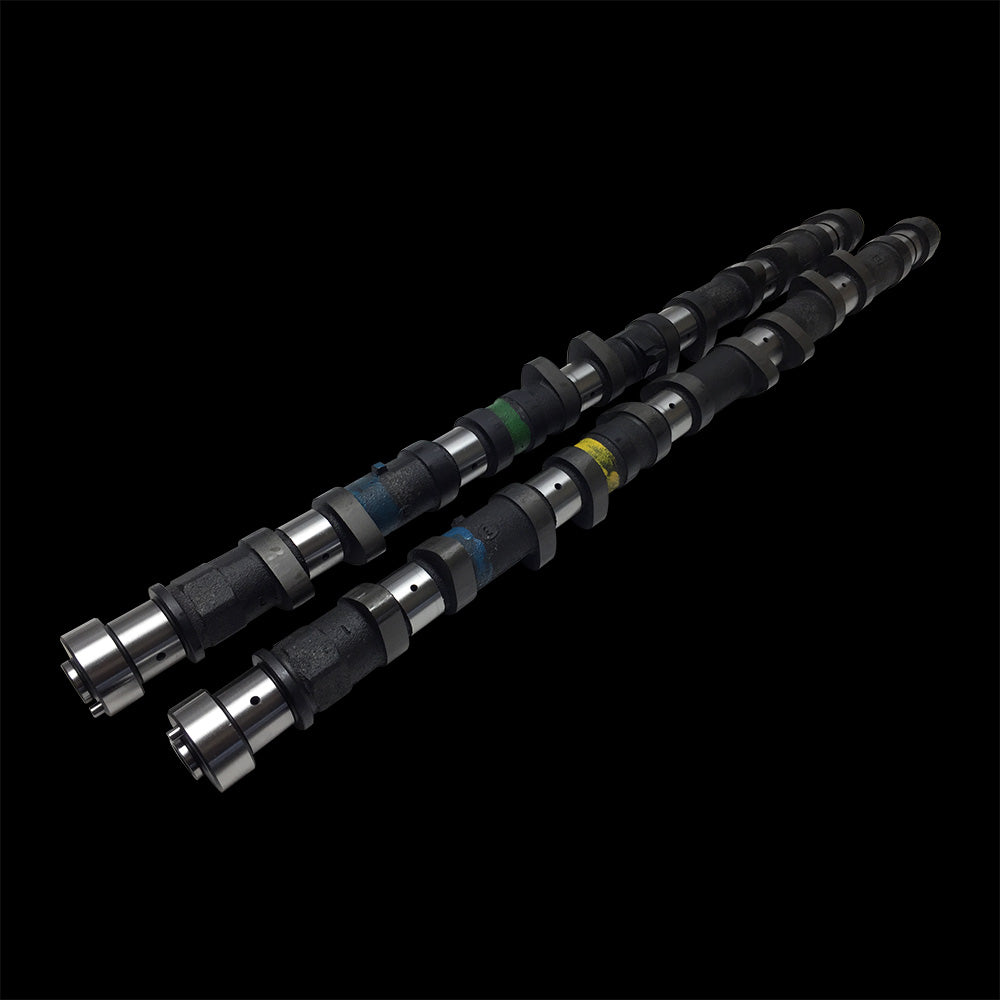
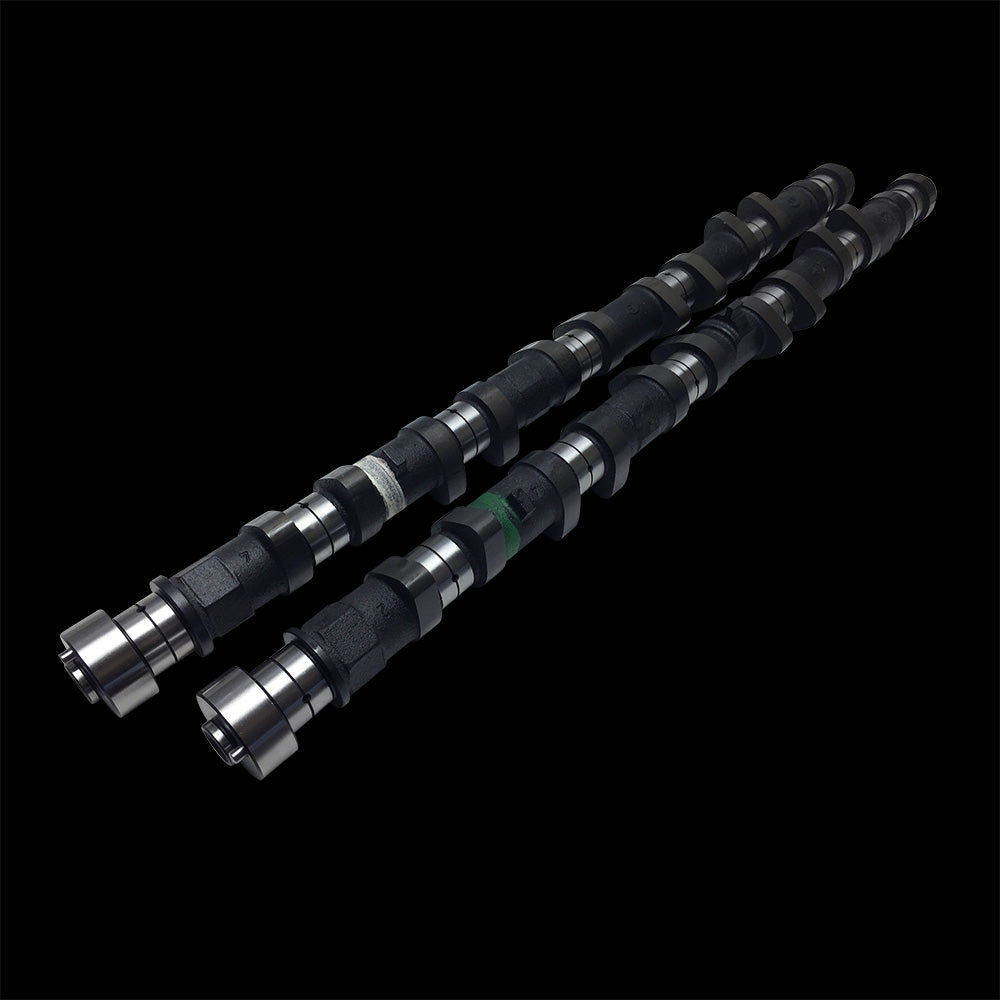
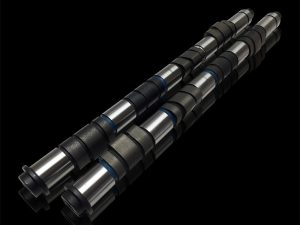
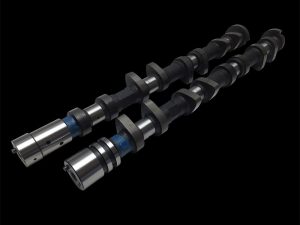
For the Toyota 3SGTE enthusiast demanding a definitive powerband shift from the factory’s conservative street focus to a potent, responsive street/strip profile, the BC0351 Stage 2 Camshafts from Brian Crower represent a calculated and transformative upgrade. Engineered specifically for the legendary 2.0-liter turbocharged four-cylinder, this set moves beyond basic bolt-ons to alter the engine’s fundamental breathing character. The “Stage 2” nomenclature signifies a camshaft profile meticulously designed to exploit modified 3SGTE builds featuring larger turbochargers, enhanced fueling, and increased boost pressures, effectively moving the volumetric efficiency peak higher in the RPM range for substantial gains in mid-to-top-end power. This is not a compromise component; it is a precision instrument for those who understand that genuine performance is orchestrated by the synchronized dance of the valvetrain. The BC0351 cams deliver aggressive, reliable lobe profiles that demand proper supporting modifications and expert tuning but reward the builder with a dramatic increase in airflow, throttle response, and ultimate horsepower potential, solidifying the 3SGTE’s reputation as a tuner’s champion.
Engineering Analysis: The BC0351 Profile Philosophy
The core of the BC0351’s performance lies in its proprietary lobe design, a product of Brian Crower’s extensive dynamometer and real-world testing. Unlike reground camshafts that compromise base circle integrity, these are manufactured from brand-new, high-grade steel billets using CNC precision, ensuring perfect lobe geometry and concentricity. The Stage 2 profile features increased duration and lift over stock and mild “Stage 1” grinds. Increased duration holds the valves open longer, allowing more time for air to enter and exhaust to exit the cylinder, which is critical for making power at elevated engine speeds. The increased lift opens the valves farther, presenting a larger aperture for airflow, especially beneficial for engines with ported heads or larger valves. This combination is tuned for a street/strip application, meaning it retains enough low-speed vacuum and drivability for street manners while unequivocally prioritizing power production from approximately 3,500 RPM to the redline. The camshafts are also engineered with a focus on valvetrain stability, featuring ramp rates that are aggressive for performance but controlled to minimize shock to retainers and springs, assuming the use of the recommended upgraded valvetrain components.
Key Benefits of the BC0351 Camshaft Upgrade
- Maximized Mid-to-Top-End Power: The profile shifts the power band upward, unlocking significant horsepower and torque gains where modified turbos are most efficient, dramatically improving acceleration from a roll and top-end charge.
- Enhanced Volumetric Efficiency: By allowing the engine to breathe more deeply and efficiently at high RPM, the cams reduce pumping losses and increase the mass of air/fuel mixture in the combustion chamber for more powerful detonations.
- Improved Turbo Spool & Response: The increased exhaust duration and overlap help scavenge the cylinder more effectively, spinning the turbocharger turbine wheel faster. This translates to reduced lag and a sharper, more immediate throttle response.
- Engineered for Reliability: Manufactured from premium steel and precision-finished, these camshafts are designed for the increased spring pressures of a performance build, offering durability that matches their performance potential.
- Direct, Bolt-In Fitment: Designed as a direct replacement for OEM 3SGTE camshafts, installation is straightforward for a seasoned mechanic, requiring no modification to the cylinder head itself, only the necessary supporting valvetrain upgrades.
Vehicle Fitment & Prerequisite Support Modifications
The BC0351 Stage 2 Camshafts are designed as a direct-fit replacement for the 3SGTE engine found in iconic Toyota performance models. It is critical to understand that camshafts of this specification are part of a system upgrade and are not intended for a stock engine.
Primary Vehicle Applications: Toyota Celica GT-Four (ST165, ST185, ST205), Toyota MR2 Turbo (SW20), and other vehicles utilizing the 2.0L 3SGTE engine.
Mandatory Supporting Modifications: Installing these camshafts into an otherwise stock valvetrain will lead to failure. The following upgrades are non-negotiable prerequisites:
1. Upgraded Valve Springs & Retainers: The stock springs cannot control the higher lift and faster closing rates. Dual or beehive spring kits from Brian Crower or equivalent are required to prevent valve float and ensure precise valve closure.
2. Engine Management & Professional Tuning: The altered airflow characteristics will require significant fuel and ignition timing adjustments. A standalone ECU (e.g., AEM, Haltech, Link) or a capable piggyback/chipped solution, along with dyno tuning by a professional familiar with aggressive cam profiles, is essential for both performance and engine safety.
3. Supporting Bolt-Ons: To realize the full potential, these cams should be paired with a larger turbocharger, front-mount intercooler, high-flow fuel pump and injectors, and a less restrictive exhaust system. Attempting to run them on a completely stock turbo system will yield limited gains and poor drivability.
Technical Specifications & Comparison
| Specification | BC0351 Stage 2 (Intake) | BC0351 Stage 2 (Exhaust) | OEM 3SGTE (Approx.) |
|---|---|---|---|
| Advertised Duration | 264° | 264° | 236°-240° |
| Duration @ 0.050″ Lift | 212° | 212° | ~188° |
| Gross Valve Lift | 10.8mm (0.425″) | 10.4mm (0.409″) | ~8.6mm (0.339″) |
| Lobe Separation Angle (LSA) | 112° | ~114°-116° | |
Installation Notes & Final Tuning Imperative
Proper installation is paramount. This includes a thorough cleaning of the cylinder head, liberal use of assembly lube on the cam lobes and journals, and precise verification of valve timing during reassembly. It is highly recommended to perform a compression test and leak-down test post-installation but before initial start-up to ensure no piston-to-valve interference exists, especially in engines with non-stock pistons or un-shimmed decks. The slight reduction in lobe separation angle (LSA) increases overlap, which can lead to a slightly lumpier idle—a hallmark of a performance cam—but will also reduce vacuum slightly, which must be accounted for by the engine management system. The final, non-negotiable step is professional dyno tuning. The tuner will need to adjust fuel maps, ignition timing, and potentially idle control parameters to accommodate the new airflow dynamics. As highlighted in this authoritative guide to camshaft science from Motortrend, the camshaft is the brain of the engine’s air management; optimizing its output requires recalibrating the entire system. For the dedicated builder, the BC0351 Stage 2 Camshafts are not merely parts; they are the key to unlocking the next performance echelon of the venerable Toyota 3SGTE, transforming a potent factory engine into a responsive, high-revving powerhouse built for serious street and strip dominance.
Be the first to review “BC0351 – Toyota 3SGTE Stage 2 Camshafts – Street/Strip Spec”
| Make | Model | Year |
|---|---|---|
| Toyota | Celica | 1986 - 1999 |
Related products
B18A / B18B - Camshafts
BC0021 – Honda/Acura B18A/B Stage 2 Camshafts – Forced Induction Spec
$562.28
Reviews
There are no reviews yet.